Johnny Hallyday
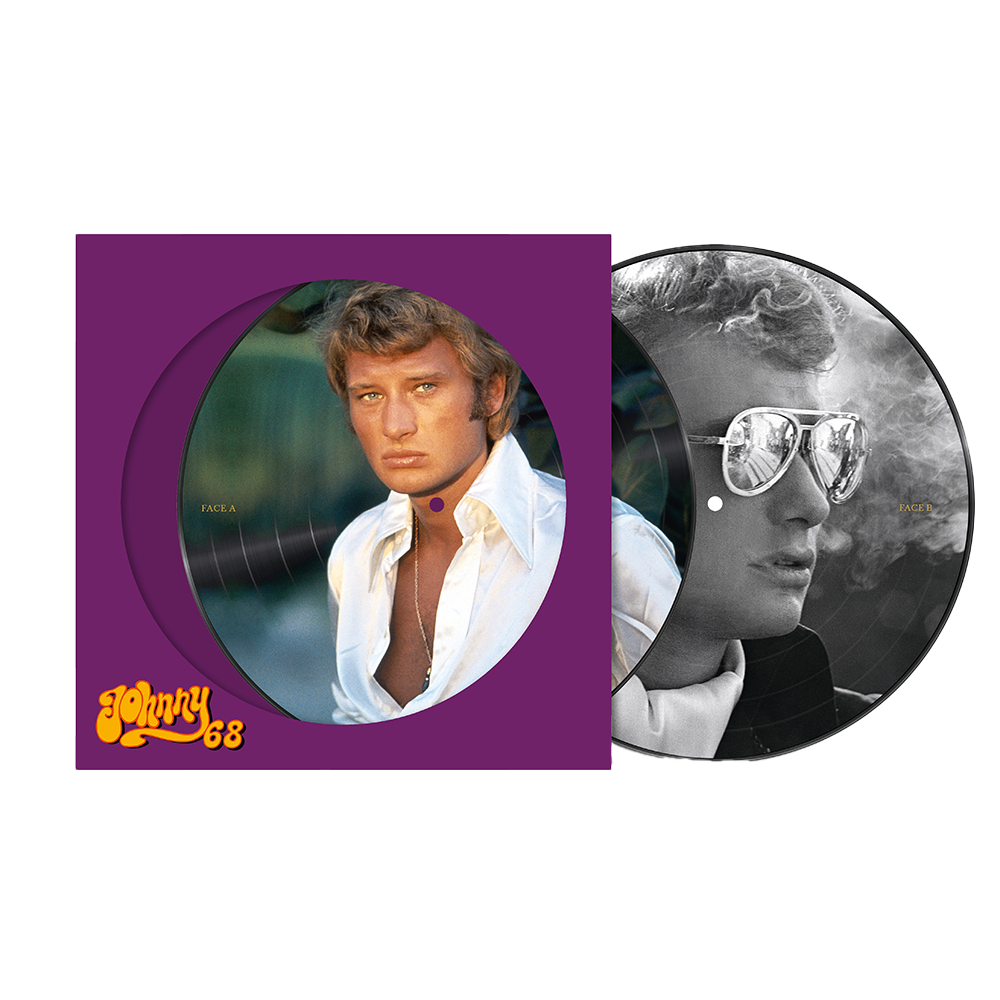
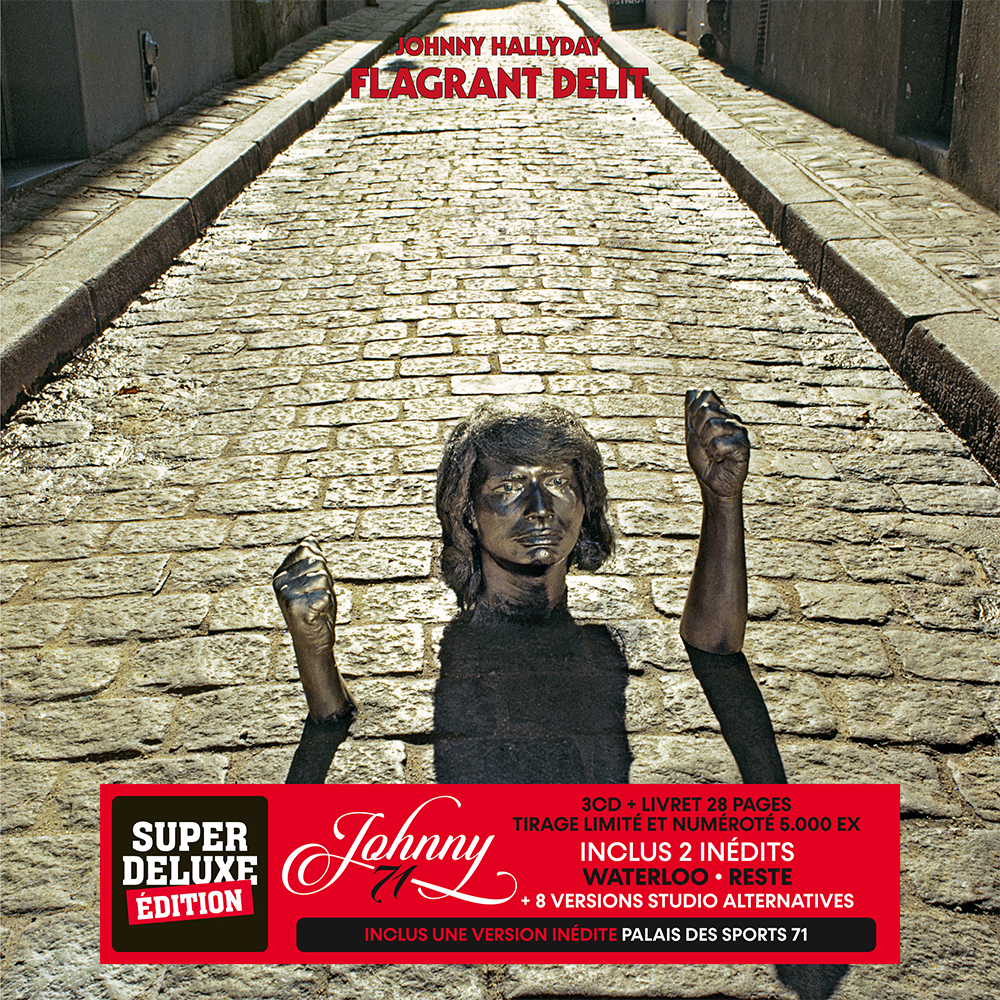
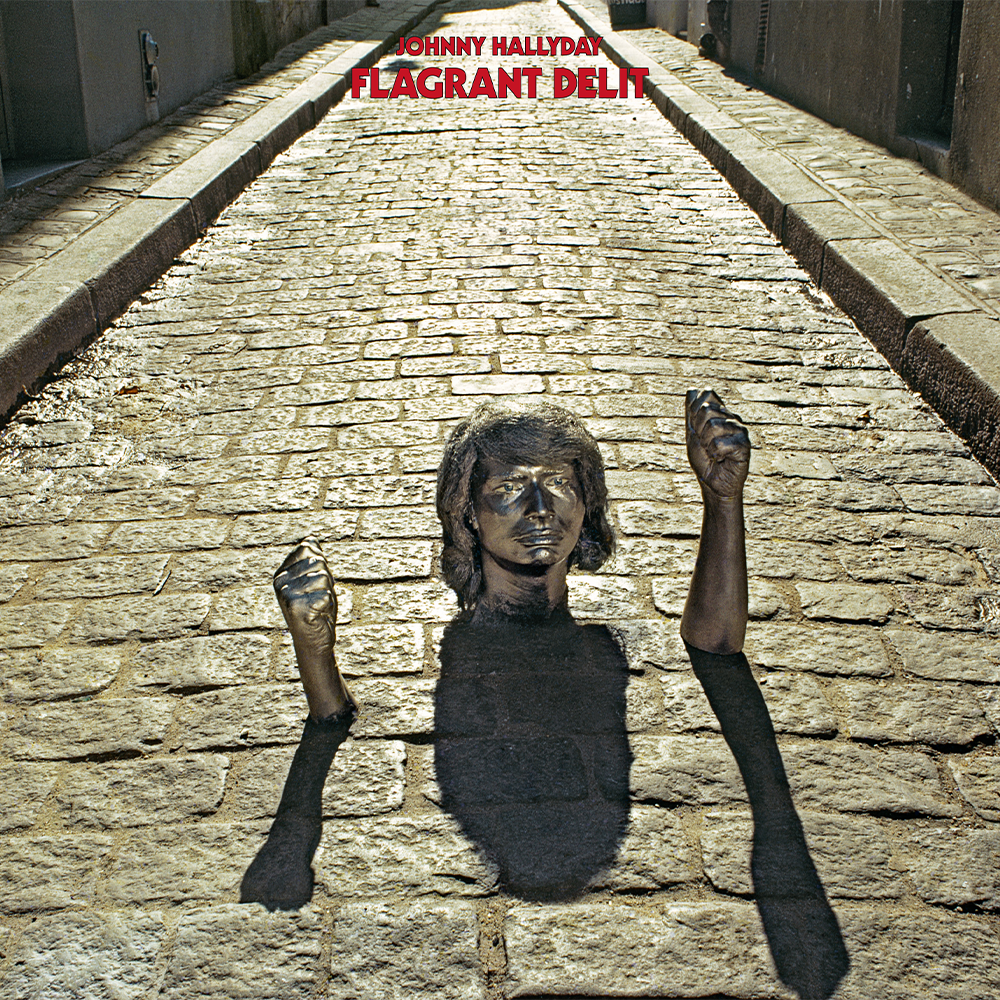
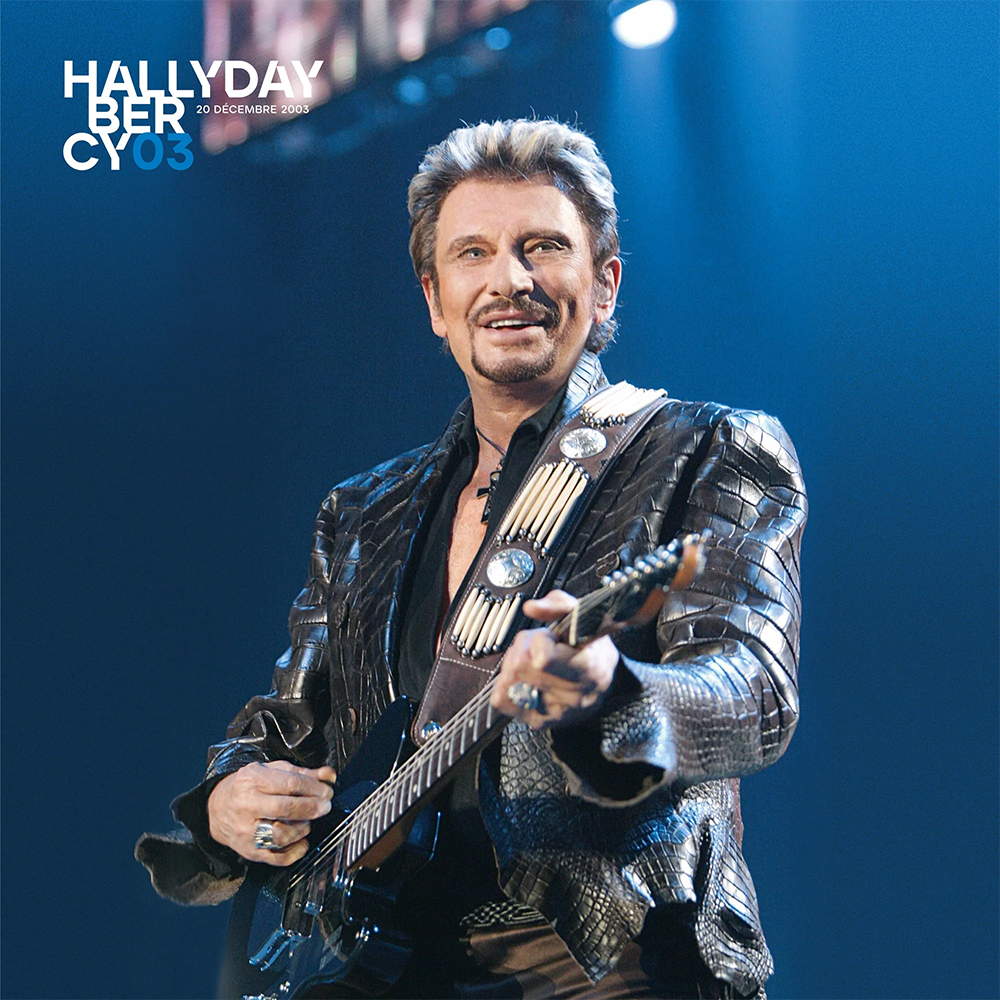
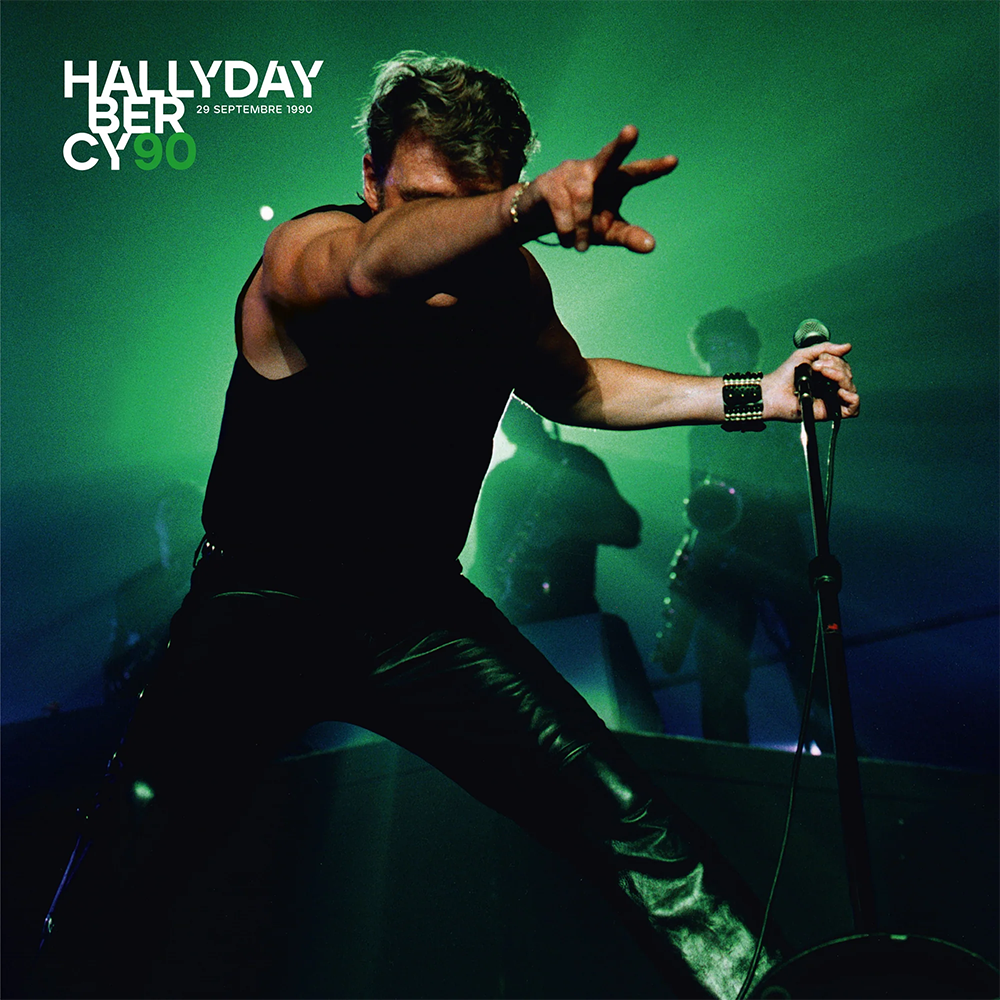
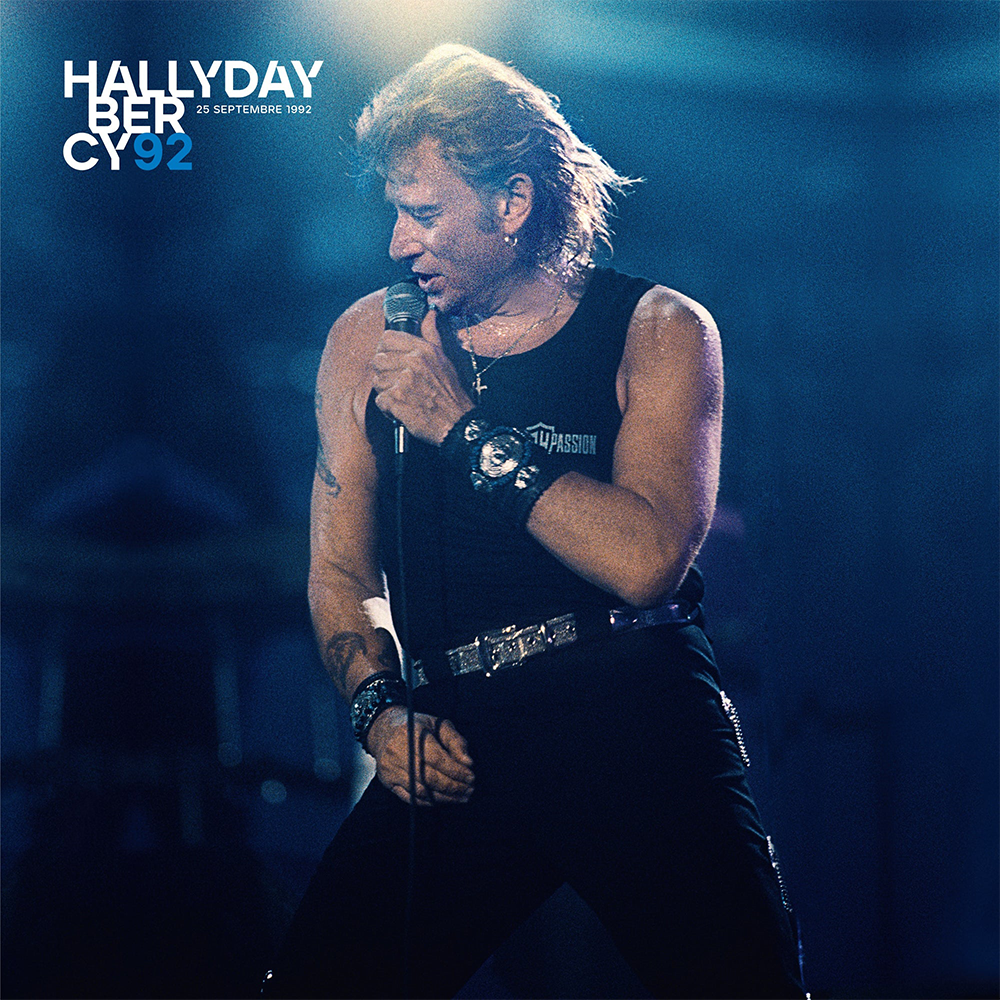
A towering figure in French music and rock, Jean-Philippe Smet, known as Johnny Hallyday (Paris, June 15, 1943 – Marnes-La-Coquette, December 6, 2017), was part of France's popular music history for more than half a century. From his rock 'n' roll beginnings in 1960 to his status as a veteran for whom young stars clamored to write tailor-made songs, the singer received every honor over the course of a career in perpetual motion. No trend passed him by: yé-yé with « L'idole des jeunes » (1962), hippie in « La Génération perdue » (1968), romantic in « Que je t'aime » (1969), Mad Max in « Ma gueule » (1980), and finally the role of a disillusioned crooner, whose every nuance was mastered by this true stage animal, who knew how to « Allumer le feu » (1998). His forty-sixth album, Ça Ne Finira Jamais, was released in 2009, before a farewell tour that ended in the emergency room. After Jamais Seul (2011), the national rocker returned to basics on L'Attente (2012). Having worked with Michel Berger, Jean-Jacques Goldman and Matthieu Chedid, he collaborated with Miossec, then Don Was on Rester Vivant (2014), and Yodelice on his fiftieth studio album, De l'Amour (2015), and its posthumous successor, Mon Pays C'est L'Amour (2018), his final recording, which received unprecedented media coverage and commercial promotion. After several months of fighting lung cancer, the national idol died at home at the age of 74. His funeral at the Church of La Madeleine in Paris was a major event. Numerous compilations keep his memory alive, as do the orchestral albums Johnny (2019) and L'Histoire Continue... Acte II (2021). A statue was erected in his memory outside the Palais Omnisports de Paris-Bercy.